So, you’ve already determined you want Rhinoplasty, either for functional or aesthetic reasons. Here’s what to expect during and after your procedure, according to Dr. Jewel Greywoode from CEENTA.
- He also shares guidance around who is and isn’t a good candidate for this popular procedure.
What does the surgery entail?
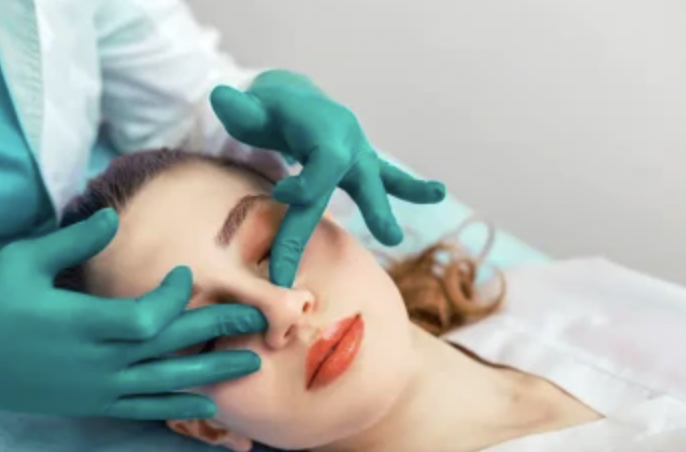
All rhinoplasty, whether functional or cosmetic, is a shape changing operation of the nose to change the size, shape and orientation of the structures of the bone and/or cartilage underneath the skin. An incision in the skin is always necessary to access the bone and cartilage. This can be done with incisions all inside the nose or with external incisions (open rhinoplasty).
- With an open rhinoplasty, the most common location for this incision is across the bridge of skin between the tip of the nose and the top of the lip. This almost always heals with minimal visibility.
- Once the structures underneath are accessed, the appropriate changes are made such as straightening the bone, adding supportive structure to the collapsing cartilage, removing a portion of cartilage or bone that creates a regularity, to name a few.
- Rhinoplasty is typically done under general anesthesia, with you completely asleep.
- It is also typically done as outpatient surgery where you would come in and go home the same day.
What’s recovery like
Because rhinoplasty involves incisions, as well as restructuring of bone and cartilage tissue, this will create some level of discomfort. Most patients are able to manage their pain.
- For the first 1-3 days, opioid pain medicine may be required, but after that often Tylenol and Motrin are more than sufficient.
- The peak of swelling is usually on the morning of the second day after surgery, and any bruising can last 7-10 days. The first week is where the most recovery happens and the most common experiences people describe include congestion, tenderness, stuffiness, decreased sense of smell, which are all temporary.
If you have a rhinoplasty for medical reasons, will it change the appearance of your nose?
Functional rhinoplasty will change the shape of the nose, though that is not the primary goal.
- For example, if your nose is crooked because of previous trauma to the nose, making it difficult for you to breathe, rhinoplasty that corrects the crookedness will change the shape of your nose to a straighter appearance.
- Many patients are concerned regarding possible increase in the size of the nose; however, the nose cannot be made bigger on the inside without getting bigger on the outside. Moreover, the amount of change that is necessary is minimal to achieve significant improvement.
Is there anyone who is not a good candidate for this procedure? Who is a good candidate?
It’s a big deal. From a patient perspective, a good candidate is someone who has an understanding of their goals, whether related to breathing and/or appearance.
- Additionally, a basic grasp of what rhinoplasty can and can’t deliver is very necessary.
- Lastly, it is paramount that you and your surgeon agree that the degree of change being proposed will achieve the desired outcome. If there is a mismatch on either end, a rhinoplasty should not be undertaken.
Ready for Rhinoplasty? Schedule an appointment with CEENTA today to see if you’re a candidate.